
We don’t just plan vacations
we craft experiences that last a lifetime
INDIA & AROUND
World Heritage Sites in India showcase the country’s extraordinary cultural heritage, architectural achievements, and natural diversity recognized by UNESCO for their global importance. Spread across different states, World Heritage Sites in India include ancient temples, historic forts, royal palaces, archaeological wonders, sacred religious complexes, and biodiversity-rich national parks. These sites are categorized into cultural, natural, and mixed heritage properties, reflecting India’s centuries-old traditions, artistic excellence, and environmental significance. The preservation of World Heritage Sites in India plays a crucial role in protecting priceless global heritage, supporting sustainable tourism, and educating future generations about India’s historical and cultural contributions.
India, often described as the land of diversity, is a country that captures the heart of every traveler with its blend of ancient traditions, rich cultural heritage, and breathtaking natural beauty. From the snow-capped peaks of the Himalayas to the sun-kissed beaches of Goa and Kerala, India offers an endless variety of experiences that appeal to every kind of visitor. Each region of the country tells its own story — the royal palaces and forts of Rajasthan speak of regal grandeur, the backwaters of Kerala offer peace and serenity, the bustling streets of Delhi and Mumbai showcase modern energy, while the spiritual aura of Varanasi and Rishikesh brings a sense of inner calm.
India’s tourism is a colorful journey through time and culture. Travelers can explore UNESCO World Heritage sites like the Taj Mahal, Qutub Minar, and Ajanta-Ellora Caves, witness vibrant festivals such as Diwali, Holi, and Durga Puja, and indulge in diverse cuisines that vary from spicy North Indian dishes to flavorful South Indian delicacies. The country’s wildlife sanctuaries like Ranthambore, Kaziranga, and Jim Corbett National Park offer a chance to experience nature at its wildest. Adventure lovers can trek through the Himalayas, raft in Rishikesh, or go desert camping in Jaisalmer.
Spiritual India is a land of ancient wisdom, divine energy, and sacred traditions. From the holy waters of the Ganges to the tranquil temples of South India, every corner of the country radiates peace and devotion. It’s a place where yoga was born, meditation is a way of life, and spirituality flows through daily rituals. Travelers seeking inner peace, enlightenment, or a deeper connection to the soul will find India’s spiritual journey truly transformative
India is not just a destination — it is a journey of discovery that awakens the senses and stirs the soul. Whether you seek history, spirituality, adventure, or relaxation, India welcomes you with warmth, color, and unforgettable memories. Every corner of the country has something unique to offer, making India one of the most fascinating and rewarding travel destinations in the world. With every journey, India promises unforgettable experiences — a colorful tapestry of history, nature, and culture that leaves every traveler enchanted.
Today, World Heritage Sites in India continue to attract visitors, historians, researchers, and travelers from around the world, making India one of the most heritage-rich destinations globally.
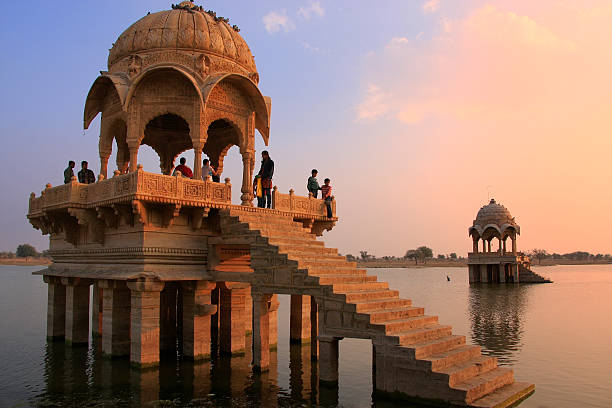
gadi sagar temple
This stately tank, southeast of the city walls, was Jaisalmer’s vital water supply until 1965, and because of its importance it is surrounded by many small temples and shrines. The tank was built in 1367 by Maharawal Gadsi Singh, taking advantage of a natural declivity that already retained some water.
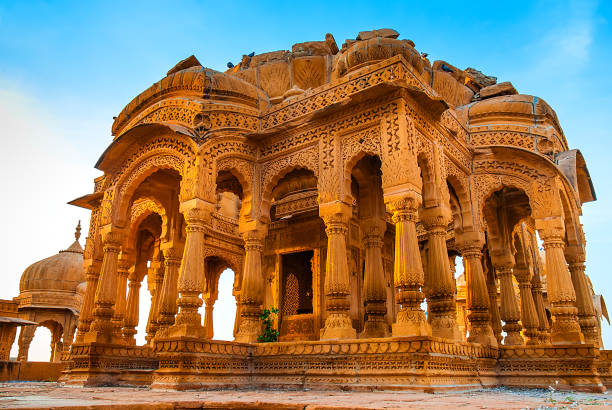
Jaisalmer Chhatris
The Bada Bagh cenotaphs in Jaisalmer, India, are royal tombs made of yellow sandstone for historic rulers, built in the 18th, 19th, and early 20th centuries. The cenotaphs, also known as "Jaisalmer Chhatris," were commissioned by the Kings of Jaisalmer and are located in a garden complex.
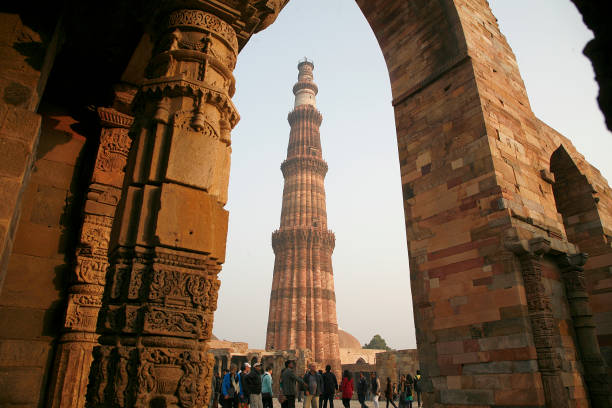
Qutb Minar
Built in the early 13th century a few kilometres south of Delhi, the red sandstone tower of Qutb Minar is 72.5 m high, tapering from 2.75 m in diameter at its peak to 14.32 m at its base, and alternating angular and rounded flutings.
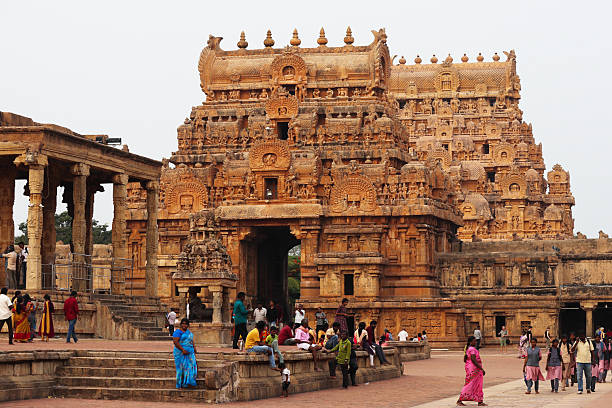
Brihadisvara Temple
One of the largest temples in India, the Brihadeeswara Temple located in Thanjavur. Dedicate to Lord Shiva represented as a huge ‘Lingam’, the temple was built around 1010 AD by the Chola king Rajaraja Chola I. C the complex is also listed as a part of the UNESCO World Heritage Sites.
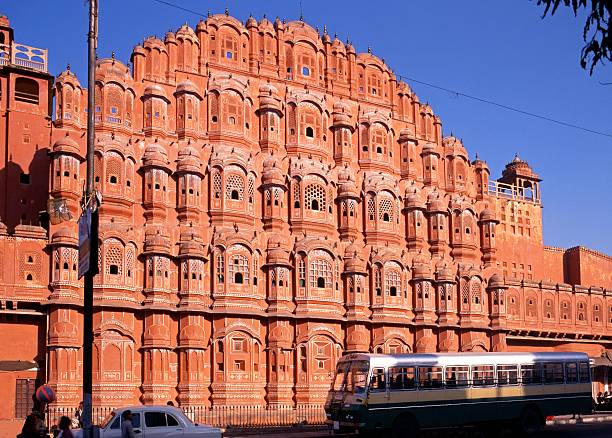
hawa mahal
Hawa Mahal was built by Maharaja Sawai Pratap Singh in the year 1799 under the supervision of architect Lal Chand Ustad. . This 87-foot-high-pyramid-shaped, five-storied structure. Each storey is designated with distinct names .
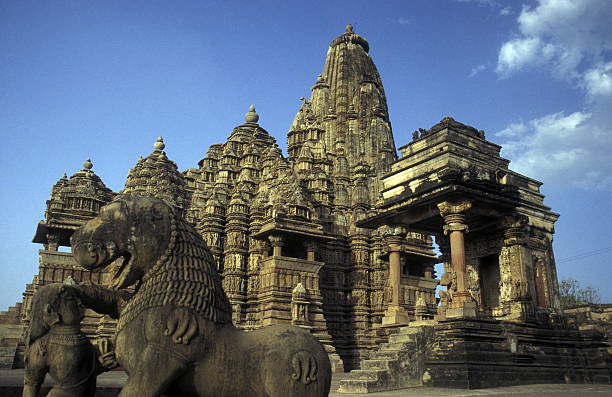
KHAJURAHO
Khajuraho is a UNESCO World Heritage Site in Madhya Pradesh, India, known for the Khajuraho Group of Monuments, which are a collection of Hindu and Jain temples built by the Chandela dynasty between 950 and 1050 AD
Plan an Unforgettable Experience in GLOBETROTTING
We can help you fit your stay and experience within your allotted budget.
Adventure is worthwhile
- +91-976543210